- Physics Lab Equipment
- Chemistry Lab Equipment
- Biology Lab Equipment
- Anatomical Lab Equipment
- Learning
- Educational Lab Equipment
- Magnets
- Agriculture
- Astronomy
- Earth Science
- Geography Lab Equipment
- Safety Lab Coat
- Laboratory
- Meteorological
- Electricity & Magnetism
- Heat
- School Lab Equipment
- Lab Glassware
- Science Lab Equipment
- Tvet Lab Equipment
- Robotics Kits Supplier and Manufacturer for Schools India
- Math Lab Equipment Manufacturers and Exporters in Ambala
- STEM Kits Manufacturers and Supplier India
- Engineering Lab Equipment
- Hospital Lab Equipment
- Water, Sanitation & Hygiene Supplies
- Cold Chain, Solar & Communication Equipment
- Nutrition
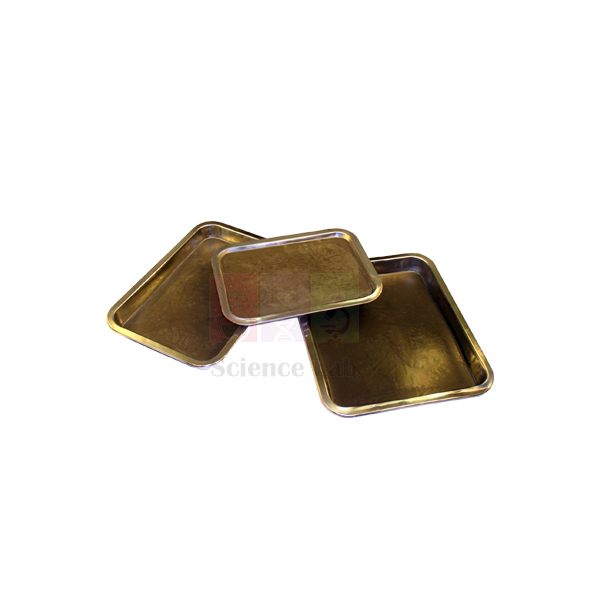
Dissection Pan
Dissection Pan (Product Code: SLE/EDE/11) is a shallow pan with a black wax surface into which specimens are pinned for dissection. The listed size is 26.5 × 19.5 × 2 cm (approx), and the pan is available in three sizes — small, medium and large — so it can be matched to anything from an earthworm to a larger preserved specimen. It is a basic item of school biology lab equipment in India and is made by Jain Scientific Equipments Pvt Ltd (ScienceLab), Ambala.
Specifications
| Parameter | Detail |
|---|---|
| Product type | Dissection pan |
| Dissecting surface | Black wax |
| Listed size | 26.5 × 19.5 × 2 cm (approx) |
| Size options | Small, medium and large |
| Suitable for | Pinning and dissecting preserved specimens in teaching laboratories |
Typical Use
The specimen is laid on the wax, pinned at the corners, and opened with scissors or a scalpel; pins pushed into the wax then hold back the body wall so organs can be traced and drawn. The dark background makes pale tissues, nerves and vessels stand out, and the raised edge of the pan keeps water or preservative from running onto the bench. Adding a little water over the specimen during the practical helps float delicate organs apart for easier viewing.
When choosing a dissection tray for school use, consider the specimen size first: a small pan is easy for younger students to handle, while the large size gives room for bigger specimens or group demonstrations. After use, remove pins, rinse the wax surface with cool or lukewarm water and wipe it dry; very hot water can soften wax, so avoid it.
Manufacturer
Jain Scientific Equipments Private Limited produces this pan under its ScienceLab brand at Ambala, Haryana, where it also makes the instruments and accessories that go with it. Visit the company profile to find out more about the company.
Related Dissection Equipment
Items used with a dissection pan in the same practical:
- Dissecting T-Pins — nickel-plated pins that fix the specimen into the wax.
- Dissection Pan, Pad & Cover — an alternative pan supplied with a pad and cover.
- Dissection Replacement Pad — a replacement pinning pad for worn surfaces.
- Dissecting Dishes — stainless steel dishes for organs removed from the pan.
- Dissecting Set, Student — the instruments needed to work on the pinned specimen.
Find more trays, boards and pads in the Dissection Equipment category.
Frequently Asked Questions
Which size do the listed dimensions refer to?
The listing gives 26.5 × 19.5 × 2 cm (approx) and states that small, medium and large sizes are available. Please confirm the dimensions of the size you want through the contact page when requesting a quote.
Why is the wax black?
A dark surface gives strong contrast with pale tissue, so organs, nerves and vessels are easier to see and draw.
What is the pan itself made of?
The listing specifies the black wax surface but not the material of the pan body. Ask us if your specification requires a particular material.
What happens when the wax becomes worn?
Wax gradually fills with pin holes over many practicals. Replacement pads are listed in the range; tell us your pan size and we will advise on a suitable replacement.
How should the pan be cleaned?
Remove every pin, rinse with cool or lukewarm water and a mild detergent, then wipe dry. Avoid very hot water and solvents that could soften or damage the wax.
Can you supply pans for several labs or for export?
Yes. State the sizes and quantities needed and your delivery location; we serve institutions and distributors in India and international markets.
Request a Quote
For a Dissection Pan quotation, share the size and quantity through the contact page or add the pan to the enquiry cart with pins and instruments.
Last updated: 24 September 2026