- Physics Lab Equipment
- Chemistry Lab Equipment
- Biology Lab Equipment
- Anatomical Lab Equipment
- Learning
- Educational Lab Equipment
- Magnets
- Agriculture
- Astronomy
- Earth Science
- Geography Lab Equipment
- Safety Lab Coat
- Laboratory
- Meteorological
- Electricity & Magnetism
- Heat
- School Lab Equipment
- Lab Glassware
- Science Lab Equipment
- Tvet Lab Equipment
- Robotics Kits Supplier and Manufacturer for Schools India
- Math Lab Equipment Manufacturers and Exporters in Ambala
- STEM Kits Manufacturers and Supplier India
- Engineering Lab Equipment
- Hospital Lab Equipment
- Water, Sanitation & Hygiene Supplies
- Cold Chain, Solar & Communication Equipment
- Nutrition
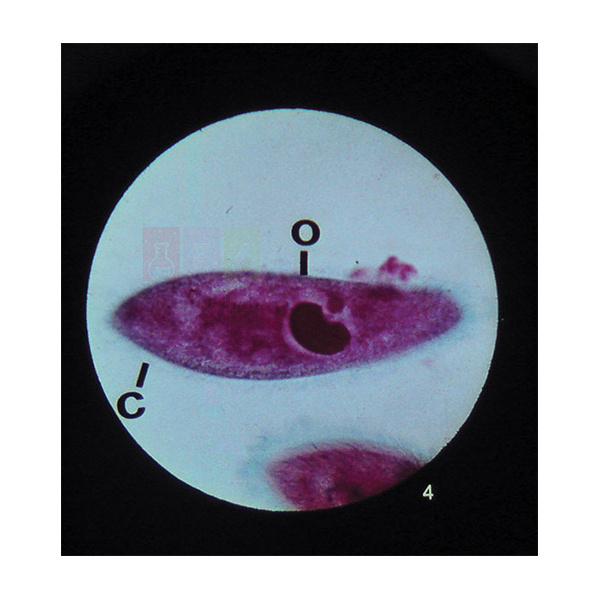
Microslide Five Kingdoms of Life
Microslide Five Kingdoms of Life (Product Code: SLE/PS/90) is a Microslide of 8 related 35mm images, photographed through a microscope, used to teach the five-kingdom classification of living things in school biology. It shows examples from Monera, Protista, Fungi, Plants and Animals, from nitrogen-fixing bacteria at 2000x and Gloeocapsa to Paramecium, Spirogyra, a mushroom, onion and Elodea, opening with Euglena as a classification puzzle. It is supplied by Jain Scientific Equipments Pvt Ltd (ScienceLab), Ambala, India.
Specifications
| Parameter | Detail |
|---|---|
| Format | 8 related 35mm images for a Microslide Viewer |
| Opening image | Euglena – a classification puzzle (400x) |
| Kingdom Monera | Nitrogen-fixing bacteria (2000x); Gloeocapsa (1000x) |
| Kingdom Protista | Paramecium (100x); Spirogyra (150x) |
| Fungus Kingdom | The mushroom (1/2x and 400x) |
| Plant Kingdom | Onion and Elodea (150x) |
| Animal Kingdom | Animal Kingdom image (750x) |
| Labelling | Arrows and callouts on each image |
| Folder | Detailed text folder with questions; pocket keeps the Microslide |
| Product code | SLE/PS/90 |
| Supplied by | Jain Scientific Equipments Pvt Ltd (ScienceLab), Ambala, India |
What Is the Microslide Five Kingdoms of Life Used For?
Classification lessons stick better when students see real organisms instead of names on a chart. The set opens with Euglena, which has chloroplasts like a plant yet swims like an animal, so the class has to argue where it belongs. From there it moves kingdom by kingdom, from the simplest cells in Monera to the Animal Kingdom.
The mushroom appears at both 1/2x and 400x, helping students connect a familiar fruiting body with its microscopic structure. Use the Microslide alongside a classification chart for biology class, asking groups to list the features that place each organism in its kingdom.
Supplier
ScienceLab, the trading name of Jain Scientific Equipments Private Limited in Ambala, Haryana, supplies Microslide Five Kingdoms of Life to schools that teach classification through images, models and posters. Biology departments, teacher-training colleges and dealers in India and international markets can order it with the rest of their classification resources. Details about the company are on the profile page.
Related Prepared Slides
Resources that support the same classification lessons:
- Microslide Viewer — for viewing the kingdom images.
- Classification of Living Things Poster — a wall summary of the groups shown in the set.
- Concepts Of Classification Kit — a hands-on sorting activity to follow the images.
- Classification of Living Things Lab Investigation — a structured investigation for older students.
- Euglena Model — an enlarged model of the organism that opens the set.
More titles are in Prepared Slides.
Frequently Asked Questions
Which organisms are shown in the Microslide Five Kingdoms of Life?
The Microslide Five Kingdoms of Life shows Euglena, nitrogen-fixing bacteria and Gloeocapsa (Monera), Paramecium and Spirogyra (Protista), a mushroom (Fungi), onion and Elodea (Plants) and an Animal Kingdom image.
Why is Euglena called a classification puzzle in the Microslide Five Kingdoms of Life?
Euglena opens the Microslide Five Kingdoms of Life as a classification puzzle because it makes food with chloroplasts like a plant but moves freely like an animal. Students debate its placement, which shows why classification systems change.
What magnifications are used in the Microslide Five Kingdoms of Life?
Magnifications in the Microslide Five Kingdoms of Life range from 100x for Paramecium to 2000x for nitrogen-fixing bacteria. The mushroom is shown at 1/2x and 400x, and the Animal Kingdom image at 750x.
How is the Microslide Five Kingdoms of Life used in class?
Students view the Microslide Five Kingdoms of Life through a Microslide Viewer and use the arrows and callouts with the text folder questions to identify each organism and the features that place it in its kingdom.
Who supplies the Microslide Five Kingdoms of Life?
The Microslide Five Kingdoms of Life is supplied by Jain Scientific Equipments Pvt Ltd (ScienceLab), Ambala, Haryana, India, to schools, colleges and dealers in India and international markets.
What should be included in a quotation request for the Microslide Five Kingdoms of Life?
For the Microslide Five Kingdoms of Life, state the number of sets, how many viewers you need and the delivery location, and add any classification kits or posters. Send it through the contact page.
Request a Quote
Ask for a quotation on the Microslide Five Kingdoms of Life through the contact page, or add it to the enquiry cart with viewers and classification resources.
Last updated: 24 September 2026