- Physics Lab Equipment
- Chemistry Lab Equipment
- Biology Lab Equipment
- Anatomical Lab Equipment
- Learning
- Educational Lab Equipment
- Magnets
- Agriculture
- Astronomy
- Earth Science
- Geography Lab Equipment
- Safety Lab Coat
- Laboratory
- Meteorological
- Electricity & Magnetism
- Heat
- School Lab Equipment
- Lab Glassware
- Science Lab Equipment
- Tvet Lab Equipment
- Robotics Kits Supplier and Manufacturer for Schools India
- Math Lab Equipment Manufacturers and Exporters in Ambala
- STEM Kits Manufacturers and Supplier India
- Engineering Lab Equipment
- Hospital Lab Equipment
- Water, Sanitation & Hygiene Supplies
- Cold Chain, Solar & Communication Equipment
- Nutrition
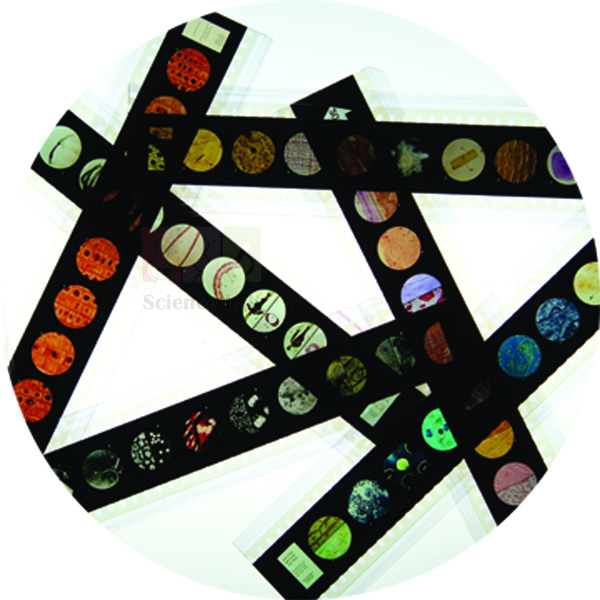
Microslide Harmful Bacteria
Microslide Harmful Bacteria (Product Code: SLE/PS/91) is a Microslide of 8 related 35mm images, photographed through a microscope, used to show bacteria that cause disease in people and crops in school biology and health education lessons. The listed subjects include the bacteria of diphtheria, typhoid fever, pneumonia, tuberculosis and food poisoning at 2000x, together with potato ring-rot and apple fire-blight bacteria. It is supplied by Jain Scientific Equipments Pvt Ltd (ScienceLab), Ambala, India.
Specifications
| Parameter | Detail |
|---|---|
| Format | Microslide – 8 related 35mm images photographed through a microscope |
| Viewing | Microslide Viewer |
| Human disease subjects | Diphtheria (2000x), typhoid fever bacteria (2000x), pneumonia bacteria (2000x), bacteria of tuberculosis (2000x), bacteria of food poisoning (2000x) |
| Plant disease subjects | Bacteria of potato ring-rot; bacteria of apple fire-blight (2000x) |
| Labelling | Arrows and callouts show the features to look for |
| Folder | Detailed text folder with questions; pocket holds the Microslide |
| Product code | SLE/PS/91 |
| Supplied by | Jain Scientific Equipments Pvt Ltd (ScienceLab), Ambala, India |
What Is the Microslide Harmful Bacteria Used For?
Typhoid, tuberculosis and food poisoning appear in most school health syllabuses, but the bacteria behind them should never be grown in a school lab. This Microslide lets students see those organisms as photographed images, with arrows and callouts pointing out their shape and arrangement, without anyone handling a culture.
Potato ring-rot and apple fire-blight widen the discussion to farming, showing that bacteria also damage crops and food supplies. Used with the text folder questions, the set supports lessons on hygiene, clean water and safe food handling, and it fits well into a health education kit for schools alongside Microslide Helpful Bacteria.
Supplier
Jain Scientific Equipments Private Limited supplies Microslide Harmful Bacteria through its ScienceLab brand, working from Ambala, Haryana. Schools and colleges usually request it together with the viewer and the other microbe and disease titles, and the company arranges supply for institutions and dealers in India and international markets. The ScienceLab profile has more about the company.
Related Prepared Slides
Items that support the same lessons on microbes and disease:
- Microslide Viewer — required to view the images.
- Microslide Helpful Bacteria — the useful side of bacteria, for a balanced lesson.
- Microslide Human Diseases — places bacterial disease beside viral, genetic and environmental illness.
- Microslide Body Defences Against Infection — how the body responds to the organisms shown here.
- Three Types of Bacteria, Stained — a stained preparation of three types of bacteria for comparison.
See all titles under Prepared Slides.
Frequently Asked Questions
Which bacteria are shown in the Microslide Harmful Bacteria?
The product details for the Microslide Harmful Bacteria list diphtheria, typhoid fever, pneumonia, tuberculosis and food poisoning bacteria, plus the bacteria of potato ring-rot and apple fire-blight. Ask us through the contact page if you need the full image list for all eight frames.
Is the Microslide Harmful Bacteria safe to use in a classroom?
Yes. The Microslide Harmful Bacteria contains photographic images only, taken through a microscope and viewed through a Microslide Viewer. There are no live bacteria or cultures, so nothing needs to be grown, handled or sterilised.
What magnification is used in the Microslide Harmful Bacteria?
Six of the listed subjects in the Microslide Harmful Bacteria are marked 2000x: the diphtheria, typhoid, pneumonia, tuberculosis, food-poisoning and apple fire-blight images. No magnification is stated for the potato ring-rot image.
Does the Microslide Harmful Bacteria cover plant diseases?
Yes. Besides human disease bacteria, the Microslide Harmful Bacteria includes the bacteria of potato ring-rot and apple fire-blight, which helps agriculture and environmental science students see how bacteria affect crops.
Who supplies the Microslide Harmful Bacteria?
The Microslide Harmful Bacteria is supplied by Jain Scientific Equipments Pvt Ltd (ScienceLab), Ambala, Haryana, India, to schools, colleges and dealers in India and international markets.
What is needed for a Microslide Harmful Bacteria quotation?
For a Microslide Harmful Bacteria quotation, tell us the number of sets, how many viewers you need and where the order is to be delivered. Send the details through the contact page.
Request a Quote
Ask for a quotation on the Microslide Harmful Bacteria through the contact page, or add it to the enquiry cart with viewers and related disease titles.
Last updated: 24 September 2026