- Physics Lab Equipment
- Chemistry Lab Equipment
- Biology Lab Equipment
- Anatomical Lab Equipment
- Learning
- Educational Lab Equipment
- Magnets
- Agriculture
- Astronomy
- Earth Science
- Geography Lab Equipment
- Safety Lab Coat
- Laboratory
- Meteorological
- Electricity & Magnetism
- Heat
- School Lab Equipment
- Lab Glassware
- Science Lab Equipment
- Tvet Lab Equipment
- Robotics Kits Supplier and Manufacturer for Schools India
- Math Lab Equipment Manufacturers and Exporters in Ambala
- STEM Kits Manufacturers and Supplier India
- Engineering Lab Equipment
- Hospital Lab Equipment
- Water, Sanitation & Hygiene Supplies
- Cold Chain, Solar & Communication Equipment
- Nutrition
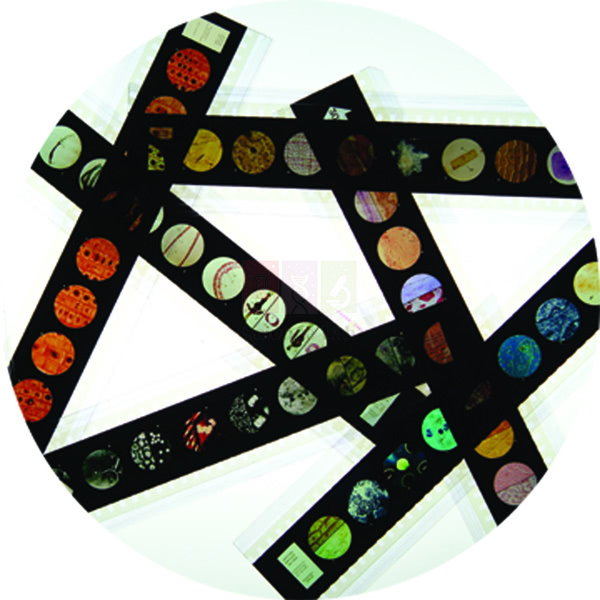
Microslide Human Diseases
Microslide Human Diseases (Product Code: SLE/PS/94) is a Microslide of 8 related 35mm images, photographed through a microscope, used to compare the different causes of human disease in school biology and health education. It moves from the influenza virus at 320,000x and tuberculosis to amoebic dysentery, the Trichina worm, sickle cell anaemia, a normal and a blackened lung, and atherosclerosis. It is supplied by Jain Scientific Equipments Pvt Ltd (ScienceLab), Ambala, India.
Specifications
| Parameter | Detail |
|---|---|
| Format | 8 related 35mm images for a Microslide Viewer |
| Viral disease | Influenza virus (320,000x) |
| Bacterial disease | Tuberculosis (100x and 1000x) |
| Protist disease | Amoebic dysentery (100x) |
| Parasitic worm | Trichina worm (65x) |
| Genetic disease | Sickle cell anaemia (400x) |
| Environmental illness | Normal lung (150x) and blackened lung (65x) |
| Multifactorial disease | Atherosclerosis (3x and 15x) |
| Labelling | Arrows and callouts guide students to key features |
| Folder | Detailed text folder with questions; pocket stores the Microslide |
| Product code | SLE/PS/94 |
| Supplied by | Jain Scientific Equipments Pvt Ltd (ScienceLab), Ambala, India |
What Is the Microslide Human Diseases Used For?
This set groups illness by cause rather than by body system: viral, bacterial, protist, parasitic, genetic, environmental and multifactorial. Students quickly see that not every disease is caught from someone else, because sickle cell anaemia is inherited, a blackened lung reflects what was breathed in and atherosclerosis builds up from several factors over time.
The normal and blackened lung pair is a strong starting point for discussing air pollution and smoking. The magnifications also teach scale, from atherosclerosis visible at just 3x and 15x to the influenza virus at 320,000x. Health education teachers often use the text folder questions as a group task before moving on to prevention.
Supplier
Microslide Human Diseases comes from Jain Scientific Equipments Private Limited, which supplies biology teaching material under the ScienceLab name from Ambala, Haryana. The company serves schools, colleges and distributors in India and international markets, and can quote this title together with the viewer and the related health Microslides. The company profile gives more background.
Related Prepared Slides
Other items for lessons on health and disease:
- Microslide Viewer — used to view the eight images.
- Microslide Smoking & Health — builds on the blackened lung image.
- Microslide Harmful Bacteria — a closer look at bacterial causes of disease.
- Microslide Lesson Set – Immunity — how the body fights the infections shown here.
- Prepared Microscope Slide Set – Health And Disease — glass slides for microscope study of the same theme.
Browse Prepared Slides for further titles.
Frequently Asked Questions
Which diseases are shown in the Microslide Human Diseases?
The Microslide Human Diseases shows the influenza virus, tuberculosis, amoebic dysentery, the Trichina worm, sickle cell anaemia, a normal lung beside a blackened lung, and atherosclerosis, each labelled with arrows and callouts.
What magnifications are used in the Microslide Human Diseases?
The Microslide Human Diseases spans 3x to 320,000x: atherosclerosis at 3x and 15x, the Trichina worm and blackened lung at 65x, tuberculosis at 100x and 1000x, sickle cell anaemia at 400x and the influenza virus at 320,000x.
Does the Microslide Human Diseases include non-infectious diseases?
Yes. Along with viral, bacterial, protist and parasitic infections, the Microslide Human Diseases covers a genetic disease (sickle cell anaemia), an environmental illness (blackened lung) and a multifactorial disease (atherosclerosis).
Is the Microslide Human Diseases a medical reference?
No. The Microslide Human Diseases is a teaching aid for school and college classes. Its photographed images and text folder explain disease causes for learning, and it is not intended for diagnosis or clinical use.
Who supplies the Microslide Human Diseases?
The Microslide Human Diseases is supplied by Jain Scientific Equipments Pvt Ltd (ScienceLab), Ambala, Haryana, India, to schools, colleges and distributors in India and international markets.
What should a quotation request for the Microslide Human Diseases include?
A quotation request for the Microslide Human Diseases should give the number of sets, the number of viewers and the delivery location, plus any related health titles. Send it through the contact page.
Request a Quote
Enquire about the Microslide Human Diseases through the contact page, or add it to the enquiry cart with a viewer and other health and disease titles.
Last updated: 24 September 2026